Many of us have driven vehicles with backup cameras that allow us to see where we would go if we kept the steering wheel at a particular angle. When the screen shows the lines colliding with an obstacle, we know we should behave differently: take this prediction into account and turn the wheel a different way.
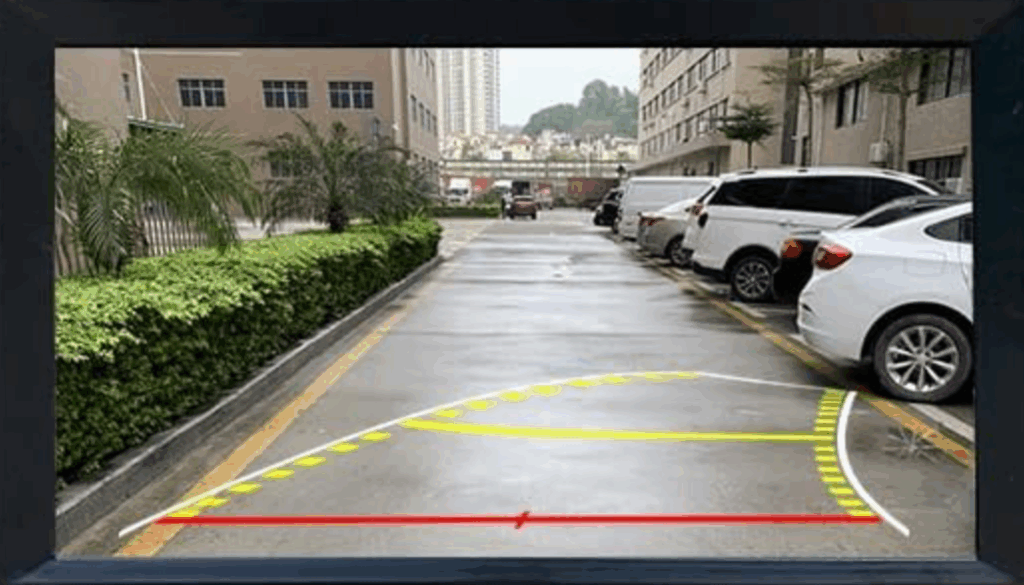
These lines are an example of “open-loop” predictions. In other words, they show what will happen if you didn’t use the output of the model (no feedback). In contrast, what actually happens is a “closed-loop” outcome – you are using all your information to avoid the collision.
I often hear people say that predictions were “wrong” because the bad outcome predicted didn’t happen. This is only valid if no corrective action was taken due to the prediction.
We should rather evaluate predictions based on experiments where we fix the inputs completely. If a predictive model is doing its job right, and you take corrective action, the worst predictions will never occur, because you used the model to predict and sidestep them.
Leave a Reply