I heard a song recently with a line paraphrased from the 2019 movie “The Gentlemen“: “the only rule of the jungle is when the lion is hungry, he eats.” That sounds badass, but it bears almost no resemblance to actual lions.

Real lions spend most of their time conserving energy. They’re opportunistic hunters who fail far more often than they succeed. When they do eat, it’s feast or famine – they might go days between meals. And they certainly don’t live by the “rule” of simply taking what they want when they want it. They’re working within harsh constraints, just like every other animal.
But that line isn’t about real lions. It’s about mythical lions – a cultural construct we’ve built up from limited exposure, third-hand accounts, and centuries of symbolism. This mythical lion is the king of the jungle – confident, decisive, always in control. The real lion is frequently hungry, occasionally successful, and doing a lot of sleeping to save calories.
I’ve written before about the boiling frog – a completely made-up phenomenon that people invoke as if it’s scientific fact. The mythical lion is similar, but with an extra layer: we don’t even agree on what the myth means.
When someone says “I want to live like a lion,” what exactly are they claiming? Dominance? Independence? Laziness punctuated by brief violence? The ability to sleep 20 hours a day? You’d need a lot of context to understand what they mean.
I think about those medieval European images of lions – clearly made by artists who’d never seen one, working from descriptions passed down through multiple people. They’re recognisable as “lion-shaped” but deeply wrong in the details. (see Why are Medieval Lions so Bad?) for more examples.
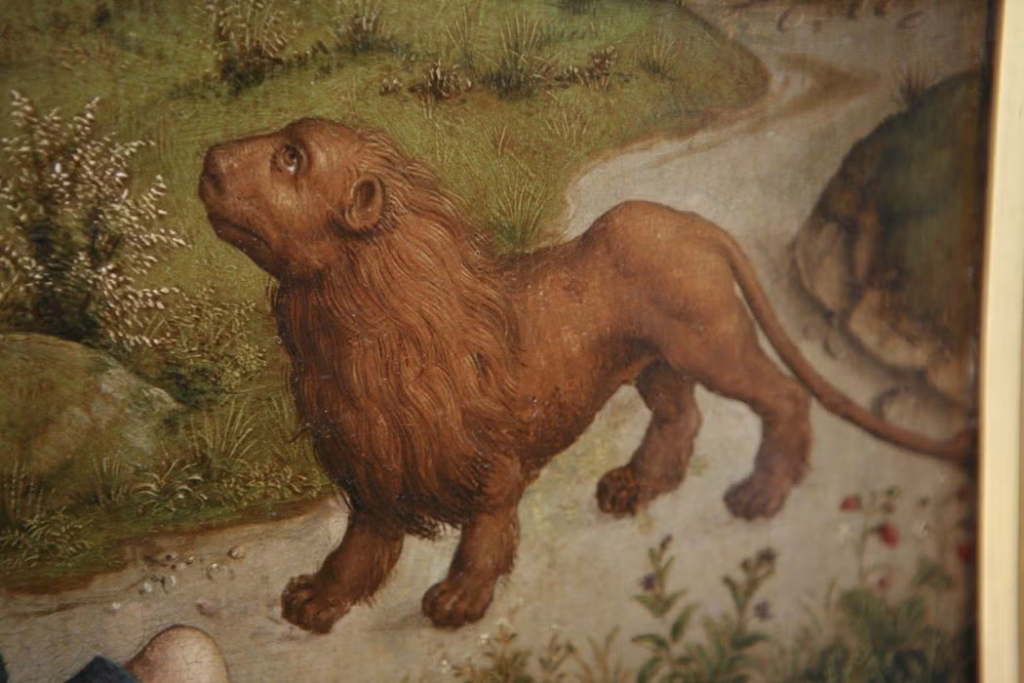
Living in South Africa, I’ve had the fortune of seeing lions in the wild many times. Maybe that’s why the gap between the mythical and real lion bothers me. Or maybe understanding the myth requires your exposure to be limited – the less you actually know, the more the symbol can mean whatever you need it to mean.
I remember having to learn national stereotypes early in life just to understand jokes. This feels similar, but more ambiguous. To communicate, you need to know not just what things are, but what people think they are, even when those ideas are demonstrably wrong.
So next time someone invokes an animal metaphor or nature analogy, ask yourself: are they talking about the actual thing, or the cultural myth? And more importantly – do they know the difference?
Leave a Reply